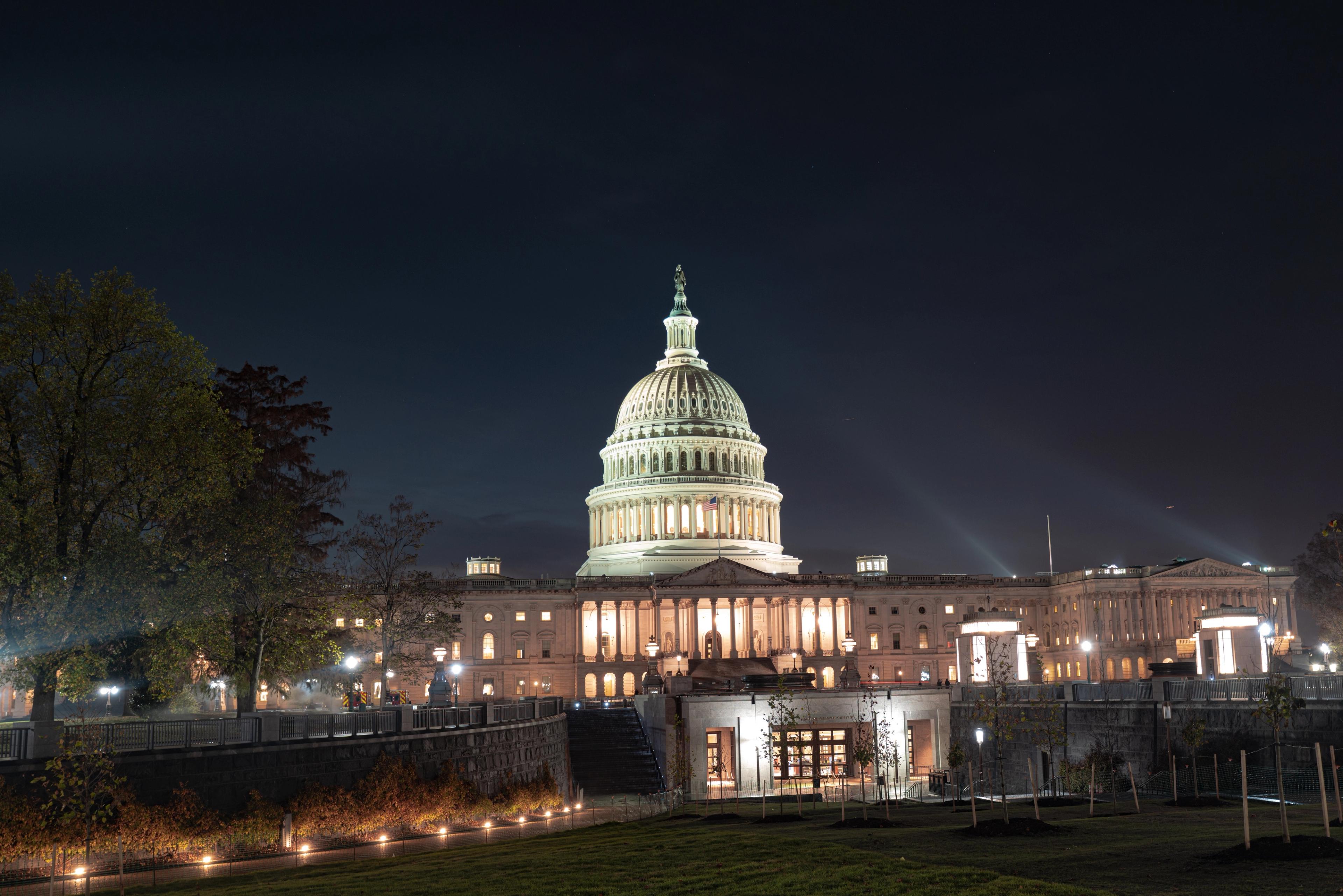
2026 has kicked off at a whirlwind pace, with January delivering one major headline after another. In this article we explore the most significant stories, how markets reacted, and our outlook moving forward.
Markets Back with a Bang
The start of the month saw markets performing strongly, building on a robust 2025. Both U.S. and UK equities reached new all-time highs in the first week of trading, while Japanese stocks continued to outperform, driven by optimism around AI and strong returns from the defence and industrial sectors.
A strong January is often seen as a bellwether for the year ahead and an early gauge of market sentiment. Historically, when markets deliver positive returns in January, they finish the year higher 86% of the time - frequently with above-average gains.
This month has, however, been full of headlines. While many have generated significant attention, their market impact has generally been limited - with the exception of recent political developments around Greenland. We explore these in more detail below.
Capture of Venezuelan President
The year began with a punchy start: on January 3, U.S. forces captured Venezuelan President Nicolás Maduro and his wife in a highly controversial overseas operation. President Trump framed the operation as a step towards a “safe and proper transition” of power in Venezuela, aiming to replace Maduro’s government and restore stability in the country.
Leaders around the world condemned the action as a violation of international law and sovereignty, however markets were notably calm. Venezuela’s economy is very small; its GDP is smaller than Nvidia’s annual revenue, and despite having the largest oil reserves in the world, it accounts for less than 1% of annual output.
The market reaction, therefore, was modest. Brent and crude oil prices rose slightly, and U.S. oil company stocks edged higher on expectations that American firms could eventually access Venezuela’s vast oil reserves. While longer-term questions about Trump’s assertive foreign policy may linger, this event was not a cause for near-term alarm in the markets.
Investigation into Federal Reserve Chair Powell
The next major headline involved Federal Reserve (Fed) Chair Jerome Powell, after the U.S. Department of Justice opened an investigation into his June 2025 Congressional testimony on the Fed’s headquarters renovation. Powell described the move as political pressure on the Fed, framing it as an attack on the institution’s independence.
This episode added to the ongoing clash between President Trump and the Fed, prompting questions about U.S. institutional stability. The independence of the Fed is an important issue for the long-term health of the U.S. economy, and concerns should not be dismissed lightly. However, the pushback from some senior members of Congress, including Republicans, indicate that Trump may have overplayed his hand for the moment.
Consequently, the market reaction was muted. Instead, investors focused on the administration’s plans to stimulate the economy, including purchases of government bonds and mortgage-backed securities.
Credit Card Interest Rate Cap Proposal
On January 9, Trump took to social media to propose capping credit card interest rates at 10%, effective January 20. In reality, such a cap cannot be imposed by the President alone; it would require Congressional approval, including a challenging 60-vote Senate supermajority.
Nonetheless, news that President Trump was targeting the sector triggered a sell-off in banks with significant consumer credit card exposure, as well as payment providers such as Visa and MasterCard. However, many analysts believe a cap would not significantly impact large banks or payment services, while consumer finance represents only 0.5% of the global equity market.
Given the political pushback and heavy lobbying from the sector, it seems unlikely that President Trump’s proposal will come close to being implemented anytime soon.
Protests in Iran
January also saw Iran’s largest protests in years, triggered by severe economic hardship and evolving into widespread anti-regime demonstrations. The government responded with a harsh crackdown, imposing a near-complete internet blackout since January 9 and deploying security forces.
The response drew international attention, with President Trump urging protesters to continue and promising support. However, while demonstrations have not ended, they have since eased in intensity. Similar to Venezuela, oil prices were the main area of sensitivity, but as Iran accounts for only 3-4% of global oil production, the broader market impact was limited, even though the longer-term geopolitical implications could be significant.
Japanese Government Bonds
By 19 January, Japan was hitting the headlines, as its government bond markets came under pressure following Prime Minister Sanae Takaichi’s election pledge to cut taxes on food. Investors grew concerned about how such tax cuts would be funded, with fears they could lead to increased government borrowing.
As a result, prices of long-dated government bonds fell, pushing bond yields (which move inversely to bond prices) higher. While the moves were notable by Japanese standards, they largely reflected fiscal concerns rather than broader economic stress. Importantly, this has not materially changed the outlook for Japan’s equity market, which continues to offer attractive long-term opportunities.
Greenland Purchase and European Tariff Proposal
The month’s most significant development for markets arose with President Trump’s announcement of plans to purchase Greenland, accompanied by a proposed 10% tariff on imports from eight European nations - Denmark, Finland, France, Germany, the Netherlands, Norway, Sweden, and the UK - should they refuse. These levies are scheduled to take effect on 1 February, with the potential to increase to 25% on 1 June if his terms are not met.
Leaders across Europe have made their stance clear; they firmly oppose Trump’s latest move. The UK approach appears tilted towards diplomatic engagement, whilst reports have suggested that EU governments are considering retaliatory options, such as stalling the implementation of the EU-US trade deal agreed last year.
Markets dislike uncertainty, and consequently the Greenland developments have taken their toll. Proposed tariffs could weigh on European growth by reducing exports, while potential retaliatory measures may increase inflation. As a result, equities have retraced much of their early-January gains, leaving the U.S. market roughly flat year-to-date and most major European markets lower this week.
Despite this, at the time of writing, the broader market impact remains contained, with year-to-date performance in most countries still modestly positive.
As we have seen in 2025, the Trump administration has often escalated tensions and threatened tariffs, only to reverse and back down. “Art of the (Greenland) Deal”? Only time will tell, but last year’s experiences suggest that it is not unreasonable to expect cooler heads to eventually prevail.
Summary
Despite a flurry of early news - from the capture of Venezuela’s president, to protests in Iran, and high‑profile posts about the Fed - markets have demonstrated resilience, reflecting both a solid longer‑term outlook and the simple fact that short‑term volatility is a normal and expected part of financial markets.
While recent developments in Greenland have triggered a more noticeable market reaction, and the situation continues to evolve, we believe the long-term outlook for markets remains constructive. Should the situation escalate, and prices fall materially, this could create an attractive entry point for investors.
Behind the headlines, markets continue to be supported by accommodative fiscal and monetary policies across major economies, as well as strong structural drivers - most notably the accelerating adoption of AI and deregulation in the U.S. - which are expected to provide ongoing support.